Cash on delivery in Romania: how to offer it and keep returns under control
Updated on November 13, 2026 · The Shopmonsite team
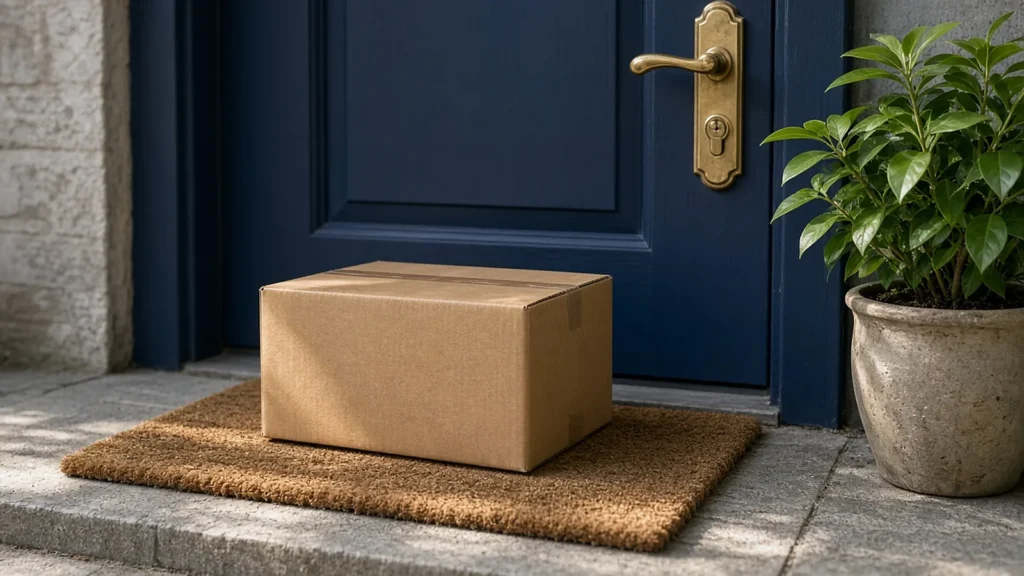
Example: a customer orders a 400 RON jacket on Monday night. Cash on delivery. Wednesday, the courier rings. The customer looks at the parcel, says “I changed my mind”, and closes the door.
You paid to pack it. You paid to ship it. You will pay to get it back. And for three days, that jacket was not available for anyone else.
Scenes like this one are why Romanian store owners have a love and hate relationship with ramburs, cash on delivery. It brings orders that would never happen otherwise. It also brings refused parcels that eat your margin. The goal is not to remove it. The goal is to control it.
The short version
- Cash on delivery (ramburs) is still widely expected in Romania, especially for first orders from an unknown store.
- The main cost is refused parcels: shipping both ways, handling and blocked stock.
- Reduce refusals with clear product pages, order confirmation, fast delivery and honest delivery times.
- Use rules: limits on order value, no ramburs for repeat refusers, optional small fee.
- Nudge, do not force customers toward card payment.
This article is part of our complete guide to launching an online store in Romania.
Why Romanian shoppers still choose ramburs
- Trust: “I pay when I see the parcel.” For a store they have never bought from, it removes the risk.
- Habit: many shoppers have always bought this way.
- No card online: some people do not like typing card details on websites.
- Control: they can check the parcel before paying, depending on courier options.
For a new store with no reputation, refusing cash on delivery often means refusing a large share of first orders. See our overview of Romania’s e-commerce market.
How it works with couriers
When you send a parcel with ramburs, the courier collects the amount at delivery and transfers it to you later, according to your contract. Couriers usually charge a fee for this service on top of shipping. Check with each courier:
- The fee for cash on delivery.
- The transfer delay and frequency of payouts.
- Whether customers can pay by card to the courier at delivery.
- Whether lockers accept ramburs payments, and how.
- The return cost for refused parcels.
- Options to open the parcel before paying.
Sameday, FAN Courier and Cargus all offer cash on delivery services, with conditions in your contract. Our guide to couriers and lockers compares the options.
The real cost of a refused parcel
When a parcel is refused, you usually pay:
- Outbound shipping, already spent.
- Return shipping, often the same price again.
- Packaging and handling, twice.
- Blocked stock for the days the parcel travels.
- Possible damage to the product or packaging.
On a low value product with thin margins, one refusal can cancel the profit of several successful orders. That is why the rules below matter.
Seven ways to reduce refused parcels
1. Product pages that remove doubt
Many refusals happen because the product is not what the customer expected. Clear photos, real dimensions, size guides, materials and honest descriptions reduce surprises. If a customer has to imagine, they may imagine wrong.
2. Clear total price before ordering
Show product price, delivery cost and any ramburs fee before the order is placed. A customer who discovers an extra fee at the door may refuse.
3. Order confirmation
A confirmation email and SMS right after the order, with the summary and the expected delivery date. For higher value orders, or orders from new customers, some stores call or send a message to confirm. It filters out impulse orders and typing errors.
4. Fast delivery
The longer the wait, the more likely the customer changes their mind or buys elsewhere. Ship quickly and say when the parcel leaves.
5. Tracking updates
Send the tracking link as soon as the AWB is created. A customer who follows the parcel is a customer who expects it.
6. Easy contact
A visible phone number and a fast reply. Some customers refuse because they could not reach you to change the size or address.
7. Simple returns
Strange but true: a clear, simple return process can reduce refusals. If customers know they can return easily, they are more likely to accept the parcel and decide at home.
Rules that protect your margin
You decide the conditions of cash on delivery in your store, as long as they are clearly stated before ordering. Common rules:
- A maximum order value for ramburs. Above it, card payment or bank transfer only.
- A small ramburs fee shown clearly at checkout, while card payment is free.
- No ramburs for customers who refused parcels before, based on your order history.
- No ramburs for certain products: custom made, very bulky or very low margin items.
- Confirmation required for first orders above a certain value.
Write these rules in your terms and on the checkout page. Check them with your lawyer, in line with consumer protection rules.
Should every product allow ramburs?
Not necessarily. A simple way to decide:
| Product type | Ramburs? | Why |
|---|---|---|
| Standard items, good margin | Yes | Brings first orders, refusals are affordable |
| Low price, thin margin | With a minimum order | One refusal can wipe out several sales |
| Custom made or personalised | Deposit or card | The item cannot be resold easily |
| Bulky or heavy | With confirmation | Return shipping is expensive |
| High value | Confirmation or card | Higher risk and higher return cost |
Review this table every few months with your refusal data. The right answer changes as your store becomes known and trusted.
Nudging customers toward card payment
You cannot force everyone to pay by card, and you should not. But you can make card payment more attractive:
- Free ramburs fee for card payments, or a small discount.
- Card payment as the first, preselected option, with ramburs clearly available.
- Trust signals next to card payment: secure payment, known processor, how the bank confirmation works.
- Fast checkout with few fields.
Card payments go through processors such as Netopia or Stripe. See Netopia or Stripe and how Netopia activation works.
Ramburs, invoices and accounting
Each order needs an invoice, whatever the payment method. With ramburs, the money arrives later from the courier, which affects how your accountant reconciles payments. Make sure your store, your courier reports and your invoicing software agree. For e-Factura obligations, read e-Factura for online stores and confirm the details with your accountant.
Lockers and cash on delivery
Lockers are popular in Romania. Payment options at lockers vary by network and contract, and many customers who choose a locker are comfortable paying by card. Offer locker delivery prominently: it is fast, cheap and convenient, and refused parcels tend to be less of an issue when the customer chose the pickup point themselves. Check the exact conditions with each courier.
What to measure every month
- Share of orders by payment method.
- Refusal rate for ramburs orders, by product category and by traffic source.
- Cost of refusals: shipping both ways plus handling.
- Repeat refusers in your customer list.
- Card payment share after any change to checkout.
Mistakes we see
- No rules at all, ramburs available on everything for everyone.
- Hidden fees appearing only at the door or late in checkout.
- Slow shipping, leaving time for second thoughts.
- No tracking emails.
- No tracking of refusals, so the same problems repeat.
- Forcing card payment on a new store, losing first time buyers.
What we take care of
At Shopmonsite, we build stores with cash on delivery configured the right way: courier integration, fees and limits at checkout, automatic confirmation and tracking emails, card payments and reports. Stores start from €1,100 excl. VAT (Starter Store), from €1,900 excl. VAT (E-commerce Pro) and from €3,500 excl. VAT (E-commerce Premium). Courier and payment fees are paid directly to the providers. See what an online store costs.
Frequently asked questions
Is cash on delivery still common in Romania?
Yes, especially for first orders from stores shoppers do not know yet. Card payments are growing, and most stores offer both.
Can I charge a fee for cash on delivery?
Many stores add a small fee, shown clearly before ordering. Check your terms with a lawyer and make sure there are no surprises at the door.
How do I reduce refused parcels?
Clear product pages, total price visible before ordering, confirmation messages, fast delivery, tracking and easy contact.
Can I refuse cash on delivery for some customers?
You can set conditions, such as order value limits or excluding customers who refused parcels before, as long as they are clear and lawful. Ask your lawyer.
Do lockers accept cash on delivery?
It depends on the network and your contract. Check with each courier.
How do I encourage card payments?
Make card payment free of extra fees, fast, preselected and clearly secure, while keeping ramburs available.
Get your quote within 48 h
Tell us about your project. You get a written quote with a clear scope and a fixed price.
Get a free quote See our prices
Prefer to talk? +40 740 776 616 · agence@shopmonsite.com